Tired of Pushing Through? Why EMDR Intensives Offer Deeper Healing in Midlife
You’re quietly holding everything together: caring for aging parents, supporting your children, keeping your marriage afloat, staying competent at work, remembering birthdays and appointments, and meeting everyone else’s needs.
On the outside, it looks like you’re managing just fine. But your own needs are often the first to fall away.
Mainstream messaging doesn’t help either. What you see on TV and social media is a focus on maintenance and prevention: “Get your colon screening! Lift weights! Eat more protein! Sleep better! Manage your hormones!”
While your health is important, the unspoken message is:
“Your life is over. Just sit tight, serve others, and do it with a smile on your face.”
This doesn’t sit right with you. You know life isn’t over. In some ways, you feel more insightful, powerful, and clear than ever.
But there’s still a persistent fear underneath it all:
Is it too late for me to change? To heal? To feel more like myself than ever before?
If you’re struggling with anxiety, old trauma, emotional overwhelm, or questioning who you are outside of the roles you’ve been living in, this blog is for you.
We’ll explore what is actually happening in midlife, a therapy option especially suited for you at this season of life, and how to take the next steps if you’re ready for deeper healing.
The Midlife Paradox: A Culmination of Wisdom And Responsibility (And Back Pain)
While mainstream culture would like to tell you that you’re “declining” in midlife, that’s not an accurate picture. Midlife is not a downward slide–not even close.
Midlife is a point of convergence—where your lived experience, nervous system, and readiness for change align in a way they never have before.
At the same time, midlife also represents a culmination of many-layered stressors at once.
You may see yourself in some of these common midlife pressures:
Supporting aging parents while still caring for children or young adults.
Navigating relationship shifts, divorce, blended families, or changes in intimacy.
Experiencing unpredictable hormonal or health changes that affect mood, sleep, and energy.
Reaching a career plateau, questioning long-held goals, or navigating socioeconomic shifts.
Feeling burned out after years of being the reliable one, the strong one, or the capable one.
Each of these experiences is taxing individually. But altogether? They create a level of stress and anxiety that is hard to ignore.
Why most women in midlife have far less tolerance for self-abandonment.
Because as you enter midlife, over-functioning, people-pleasing, staying busy, and pushing through exhaustion start to fail. Earlier attachment wounds, cultural expectations around womanhood and strength, and years of chronic stress surface more loudly now. Trauma responses intensify during hormonal shifts, major life transitions, or when long-held roles begin to change.
While this shift can be unexpected and overwhelming, it can also be a portal to deeper healing. Some may say your “BS-meter” is well-honed–including your own BS.
Midlife offers a powerful window where insight, lived wisdom, and a desire for authenticity come together and create the conditions for powerful change. You are no longer willing, or able, to minimize your pain, ignore your body, or silence your needs just to keep everything running smoothly.
You are ready for deeper healing.
You Don’t Need Another Self-Help Book. You Need Deeper Integration.
By midlife, you’re not lacking insight, tools, or self-awareness. You have likely spent years learning how to cope, function, and succeed—especially in a world that has felt against you. You don’t need another self-help strategy, but rather an approach that helps integrate all the wisdom and resilience you already carry and resolve what’s still stuck underneath.
EMDR Intensives can be especially supportive. They allow you to receive healing in a way that fits your life, your needs, and your timeline.
EMDR, or Eye Movement Desensitization and Reprocessing, is a trauma-healing modality that focuses on reprocessing stuck memories and the body-based responses connected to them. Instead of relying solely on talking through experiences, EMDR helps your nervous system process what it has been holding onto, often without needing to relive or explain every detail.
An EMDR Intensive means engaging in EMDR therapy within a more concentrated timeframe.
Midlife is often when unresolved stress and trauma finally surface. Not because you’re weak, but because the part of you that pushes through everything can’t anymore–or simply doesn’t want to.
Rather than meeting for a single weekly session, you may work together in longer blocks, often two to three hours at a time. This creates a dedicated container for deeper processing and integration.
EMDR Intensives are always guided by trauma-informed pacing, careful preparation, and integration support.
Why EMDR Intensives Are Especially Powerful For Women In Midlife
Focus on core healing (not just symptom management)
EMDR focuses on root causes, not just managing surface symptoms.
Instead of only talking about your struggles, you are actively resolving them at the nervous system level, where change can last.
The emphasis shifts away from “fixing” yourself and toward integration and wholeness.
Releasing years of survival held in the body
Chronic stress, attachment wounds, and long-held survival patterns live in the nervous system.
EMDR and somatic work allow healing without repeatedly retelling or over-explaining your story.
You don’t need perfect language for what your body already knows and is ready to release.
Time-efficient without being rushed
Intensives respect limited schedules, emotional bandwidth, and burnout.
Longer sessions allow you to settle into the work rather than stopping just as something important is unfolding.
Focused work in a clear container can sometimes mean less time in therapy overall.
Supporting identity shifts in midlife
Reconnect with who you are beyond roles, productivity, and responsibility.
Create space for grief, transition, and meaning-making that often emerge in midlife.
Support reorientation and integration, not just symptom reduction.
A culturally attuned way to heal
EMDR Intensives can be adapted to your cultural needs, values, and lived experience.
You may process in your native language or move between languages naturally, without correction or pressure.
There is no pathologizing or judgment of your culture, heritage, or lineage. It is held within the larger framework of your lived experience.
What’s Different About EMDR Intensives?
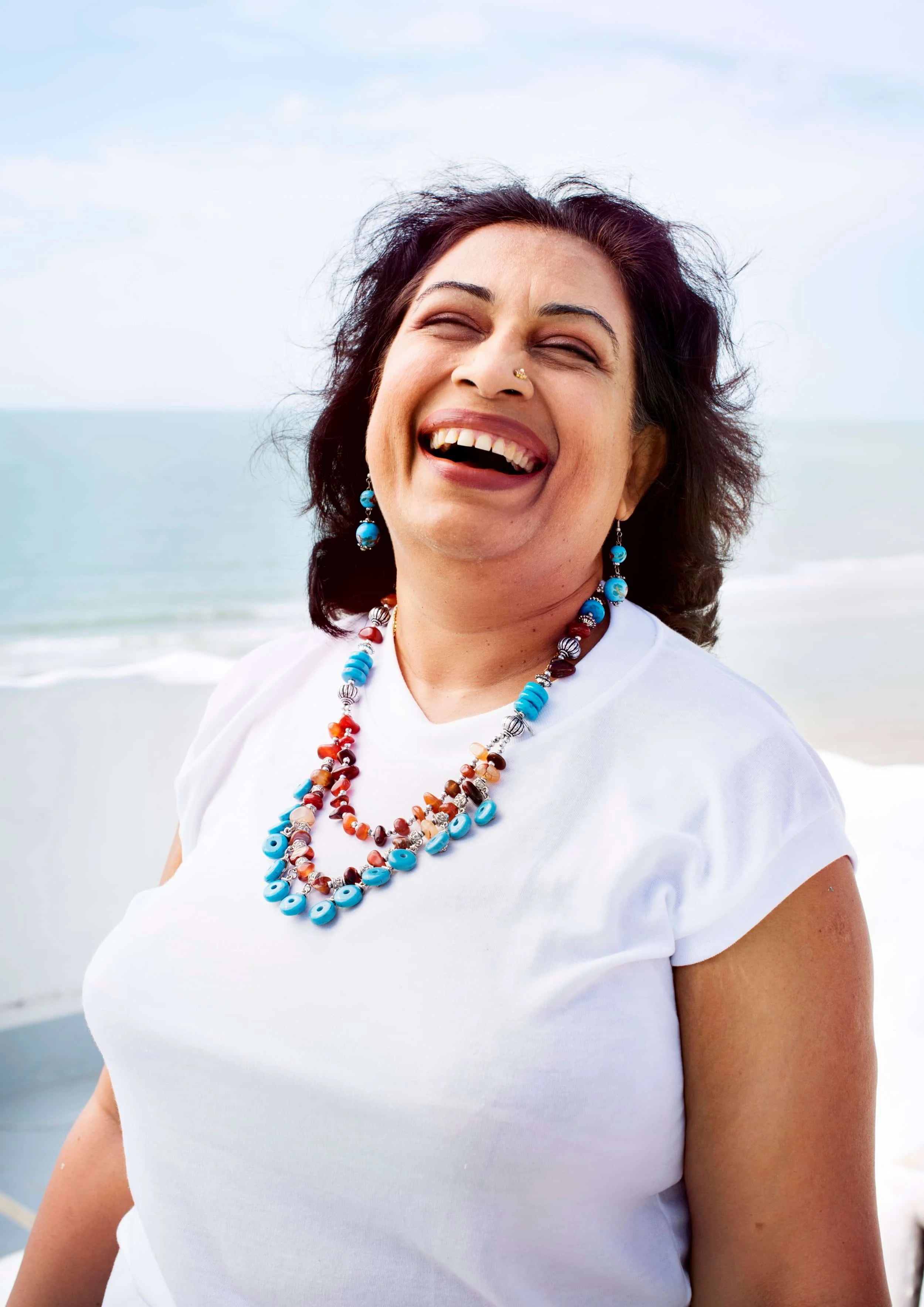
EMDR Intensives offer a way for women in midlife to heal deeply, without having to explain, perform, or power through one more thing.
Because the work is more focused, some women spend less time overall in therapy. Instead of stretching the process out over months or years, intensives allow you to work through specific patterns or experiences within a shorter, intentional window.
While the word “intensive” can sound intimidating, it doesn’t mean the work has to feel overwhelming or hard.
In many cases, the format is actually easier! You are given the time and space to fully settle into the work, without rushing or stopping, just as something meaningful is unfolding.
Who Benefits Most From an EMDR Intensive in Midlife?
EMDR Intensives are often a strong fit for women in midlife who:
Are high-functioning on the outside but feel emotionally exhausted or overwhelmed on the inside.
Experience longstanding anxiety, depression, or trauma-related triggers that haven’t fully resolved.
Feel “stuck” despite years of talk therapy, self-work, and deep insight.
Want to break generational patterns and move toward deeper, more lasting healing.
Are able to commit to longer sessions, typically two to three hours at a time, scheduled in a way that fits their life.
EMDR Intensives may not be the best fit if you:
Are currently in an acute mental health crisis and need a higher level of support or stabilization.
Prefer short, weekly sessions and are not able to do longer therapy blocks.
Are not ready to engage in body-based or trauma-focused work at this time.
Are looking for a quick fix rather than a thoughtful, integrated healing process.
If you’re not sure if an EMDR Intensive is the right fit for you, we can talk about your specific needs and history during a free consultation call. I would be happy to answer all of your questions and ensure it feels like the right path for you.
“Isn’t It Too Late for This Kind of Healing?”
While birthdays continue to add up, your nervous system does not operate on a timeline. The body does not distinguish between “old” and “new” pain. What has not yet been fully processed can be healed at any stage of life, even when memories are unclear or incomplete, once there is enough safety and support in place.
For many women, it isn’t just age or timing. It’s a deeper fear underneath the surface.
What if I try this and it doesn’t work?
What if I invest the time, energy, or money and I’m still the same?
Do I actually deserve this kind of care and attention?
These questions make sense, especially if you’ve spent much of your life being the one who holds everything together. When you’ve learned to prioritize others, push through discomfort, or minimize your own needs, it can feel risky to choose something focused entirely on your healing.
Midlife is not a barrier to trauma healing. It’s a uniquely potent time for it.
You bring insight, self-awareness, and lived wisdom that earlier versions of you did not yet have. You are clearer about what no longer works, and less willing to spend time forcing yourself into it.
You are more attuned to your body’s signals and more willing to listen when something feels off.
You’re less willing to abandon or gaslight yourself just to keep the peace or make others comfortable. You no longer feel the need to justify your pain or prove that it is “bad enough” to deserve care.
All of this supports deeper integration and readiness for healing. It’s not too late. You are not asking for too much.

My Midlife Sisters, You Deserve Deeper Healing
EMDR Intensives with me offer a culturally sensitive, body-informed approach to healing.
It’s an approach that meets you with dignity, adapts to your lived experience, and works with your body rather than against it.
I’d be honored to walk alongside you as we create the right container for meaningful change in a season of life where clarity, wisdom, and self-trust are often stronger than ever.